Have you been toying with the idea for a while now?
Everyone seems to be talking about cycle touring, and with good reason: taking your time, getting off the beaten track, doing your bit for the environment, discovering unusual places and travelling far from the crowds. The arguments are plenty, and you are now convinced this way of travelling is for you?
Follow our advice for a cycling holiday that goes off without a hitch.
Where to go?
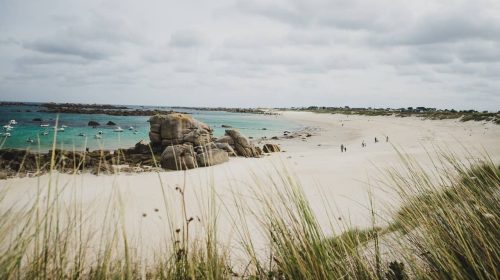
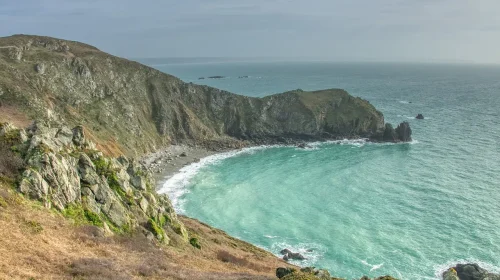
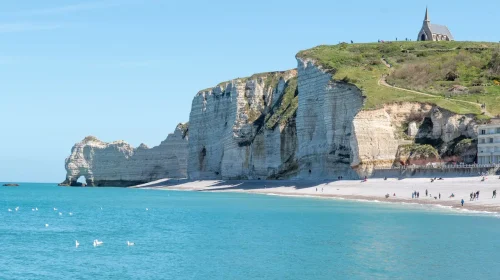
The first thing to do is choose the region you want to explore by bike. Are you more of a sea, countryside or mountain person? Do you want to discover a new region or rediscover one you already know? Are you keen on history or food?
These are all questions worth asking yourself to find your ideal destination.

When to go on a cycling holiday?
It is rather hard to predict the weather you will get on your cycling holiday, but some times of year are of course better suited to cycle touring than others.
Apart from winter, when the days are short and the temperatures cool, spring, summer and autumn are wonderful seasons for a cycling trip. If you struggle in the heat, do bear in mind the southern regions, where summer temperatures can sometimes be hard to bear.
Take your own bike or hire one?
Setting off with quality kit is essential for a successful cycling holiday. There is nothing more frustrating than riding the roads on a poorly adjusted or badly maintained bike.
If you decide to take your own equipment, do have it serviced by a professional before you leave.
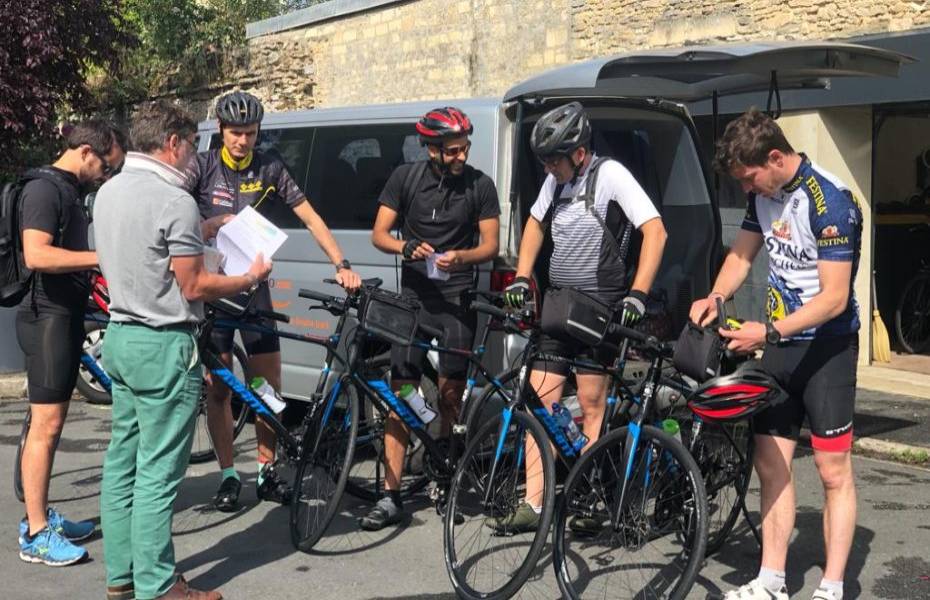
The other option is to hire your bike. You are guaranteed quality kit that has been serviced, with support should anything go seriously wrong. What is more, these bikes always come with gear suited to cycle touring (helmet, panniers, bottle cage, repair kit, lock and so on).

Planning the stages of your cycling trip
A cycling tour is a nice little sporting challenge, but it is by no means a race.
You will need to plan your route in advance and work out how many kilometres you will cover between each stage of your tour.
Not especially sporty and more of a gentle-rambling sort? Is the point of your cycling break also to wander, to take your time visiting historic and cultural sites, and to relax on the beach in the afternoon?
Then stick to shorter distances of around forty or fifty kilometres.
A keen cyclist with plenty of cycling-holiday experience behind you?
You can easily ride stages of up to 100 km and satisfy your appetite for a challenge!
Just be careful not to miss the must-see spots along the way!
With these figures in mind, you can work out the ideal amount of time you will need to complete your route and set off on your cycling adventure.
Mapping out your cycling route
Setting up your itinerary is one of the most important things to do before you leave. It really is worth studying the maps and choosing in advance the roads you will take to reach your destination. Bear in mind that even a detailed map does not always reveal how busy the roads are, and there is nothing worse than finding yourself on a road with heavy traffic (especially in certain tourist areas).
Take care to think through the roads and paths you choose.
For an itinerary that is perfectly suited to you, there is nothing like an agency that specialises in cycling tours such as Normandie Rando.
You are guaranteed a carefully planned route where you will pedal along quiet little roads, well away from the noise of cars, lorries and campervans.

Where to stay on a cycling holiday?
Once your stages are chosen and your route is mapped out, you will need to find somewhere to sleep.
You have several options:
Not put off by the idea of pedalling with a loaded rack? Got a bit of an adventurous streak? You could decide to camp. Just be sure to pack a good sleeping mat. On a cycling trip, it is important to sleep well and recover properly. Remember to allow time to set up camp, too.
Prefer your comforts and want to travel light? Then go for guesthouses or hotels. You will be assured of a good night’s sleep and can set off the next day after a hearty breakfast. Many establishments hold the ‘Accueil Vélo’ (cyclists welcome) label and can keep your kit safe overnight.
What to pack for a cycling trip?
Whatever you do, do not overload yourself; take only what you need depending on the season you are travelling in. Go for cotton clothing and never forget to keep a good waterproof with you.
Carrying weight on your rack is not advisable, especially if you are not used to cycle touring. Another drawback: in some tourist spots, you are not allowed to leave your luggage unattended, so you will have to keep it with you while you are out exploring. Another advantage of going through an agency that specialises in cycling holidays such as Normandie Rando: they take care of transporting your luggage between each stage so you can pedal with complete peace of mind.
Over to you!